
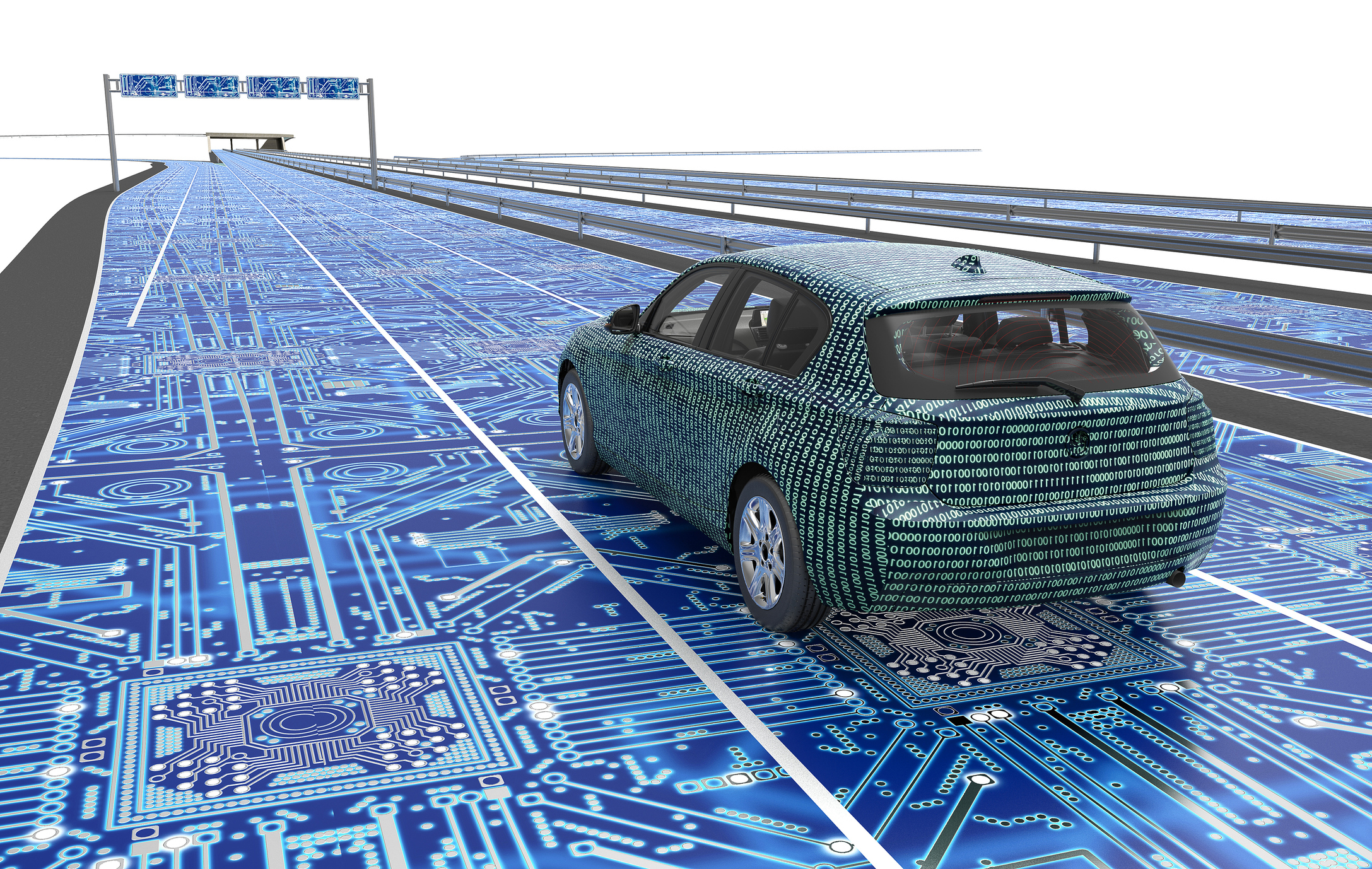
This study explores the use of artificial intelligence (AI) for fault prediction in electric vehicles (EVs) to reduce unexpected breakdowns and improve reliability. Using sensor, driving, and diagnostic data from 2020–2024, the research found that tree-based models, particularly Decision Tree and Random Forest, achieved over 90% predictive accuracy, demonstrating AI’s potential to enable proactive maintenance and enhance user confidence in EV technology.
Unplanned breakdowns in electric vehicles (EVs) pose challenges such as costly repairs, unexpected downtime, and reduced user confidence. To address this issue, this research investigates whether artificial intelligence (AI) can perform fault prediction and improve EV reliability. Using the EV Sensors, Driving Pattern & Diagnostics dataset (2020–2024), which contains information on battery performance, motor readings, driving behaviors, and diagnostic trouble codes (DTCs), we tested four machine learning models: Random Forest, Decision Tree, Support Vector Regression (SVR), and Linear Regression. Results showed that the Decision Tree and Random Forest models outperformed the others, achieving over 90% predictive accuracy compared to less than 70% for SVR and Linear Regression. These findings indicate that tree-based model approaches are effective in capturing nonlinear patterns between sensor data and breakdown events. Overall, this study highlights the potential of AI to provide early warnings of EV failures, enable proactive maintenance strategies, and strengthen consumer trust in EV technology.
Explore More!
Related Projects

© 2022 Inspirit AI. All Rights Reserved.